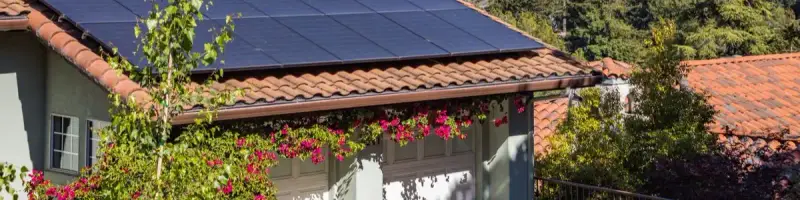
Lake Havasu City Roof Pros: Reroofing, Leak Repair, Tile & Low-Slope
Expert residential and commercial roofing services. A written inspection first, and an honest answer about which month the work should happen.
- ✓Arizona ROC CR-42 Roofing License
- ✓Tear-Offs Scheduled Around Deck Temperature
- ✓Written Inspection Before Any Price
- ✓Deck Photographed Before It Is Covered
Why Lake Havasu City Chooses Lake Havasu City Roof Pros
- ✓We book roof work by deck temperature rather than by whoever called first, and we will tell you to wait for October when waiting is the better buy.
- ✓Every product we specify comes with its own upper temperature limit written on the quote, so you can see why a June install and a January install are not the same job.
- ✓Because no city inspection exists for a covering swap here, we photograph the bare deck, the dry-in and every flashing, and that set is yours whether or not you hire us again.
- ✓We price sheathing replacement openly and stop when the amount crosses what a roofing classification is allowed to do on its own, instead of covering the difference with a wider panel.
- ✓Surfaces are chosen against a published reflectance listing rather than a color swatch, because on a roof that spends five months above 100 degrees the finish is a mechanical decision.
- ✓We turn down coating work and mid-summer tear-offs when the calendar is wrong. Losing that job costs us less than putting our name on something that fails in two seasons.
How It Works
Inspection booked for the cool hours
We start on the roof between first light and mid-morning, because a tile field or a shingle slope that has been in the sun since ten is a surface you damage by standing on it. You get photographs of every penetration, every termination and the deck condition wherever we can see it.
A scope that names a month
The written scope lists the covering, the underlayment temperature rating, the metal gauge and the fastener pattern, and it also lists the window we recommend doing the work in. If the sensible answer is October rather than next week, that goes in the scope with the reason attached.
Tear-off, deck, and dry-in on camera
Because nobody from the city will look at your deck, we photograph it. Every soft or delaminated panel is marked, measured and priced before it is covered, and if the replacement crosses what a roofing license may do on its own, we say so and stop rather than bury it.
Final walk and the paperwork you keep
You get a walk of the perimeter with us, then the folder: the photograph set, the product data sheets, the workmanship warranty and the sheathing notes. That folder is the only record of the work, since no inspection card exists for a covering swap in this city.
Our Roofing Services in Lake Havasu City, AZ
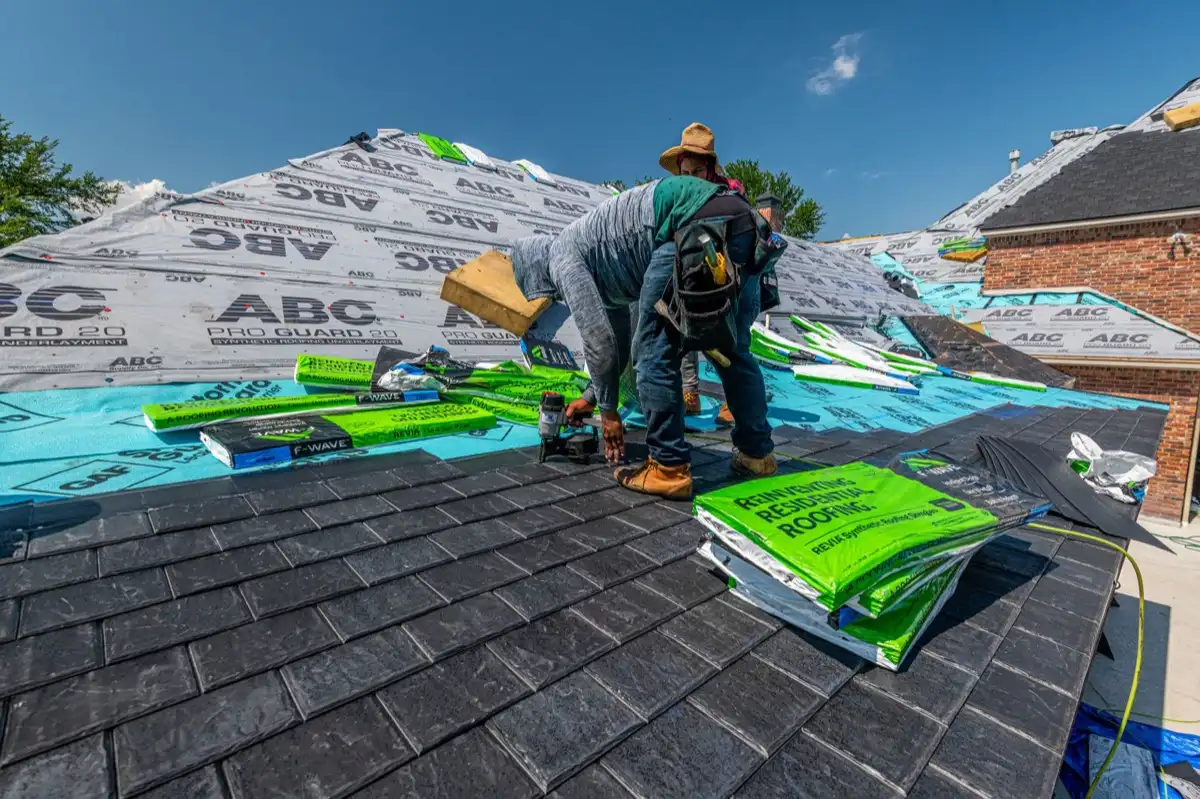
Roof Replacement & Reroofing
A reroof in Lake Havasu City is a scheduling decision as much as a material one. More than half the houses in this city went up between 1990 and 2009, which means the covering on a large share of them is coming due inside one short window.
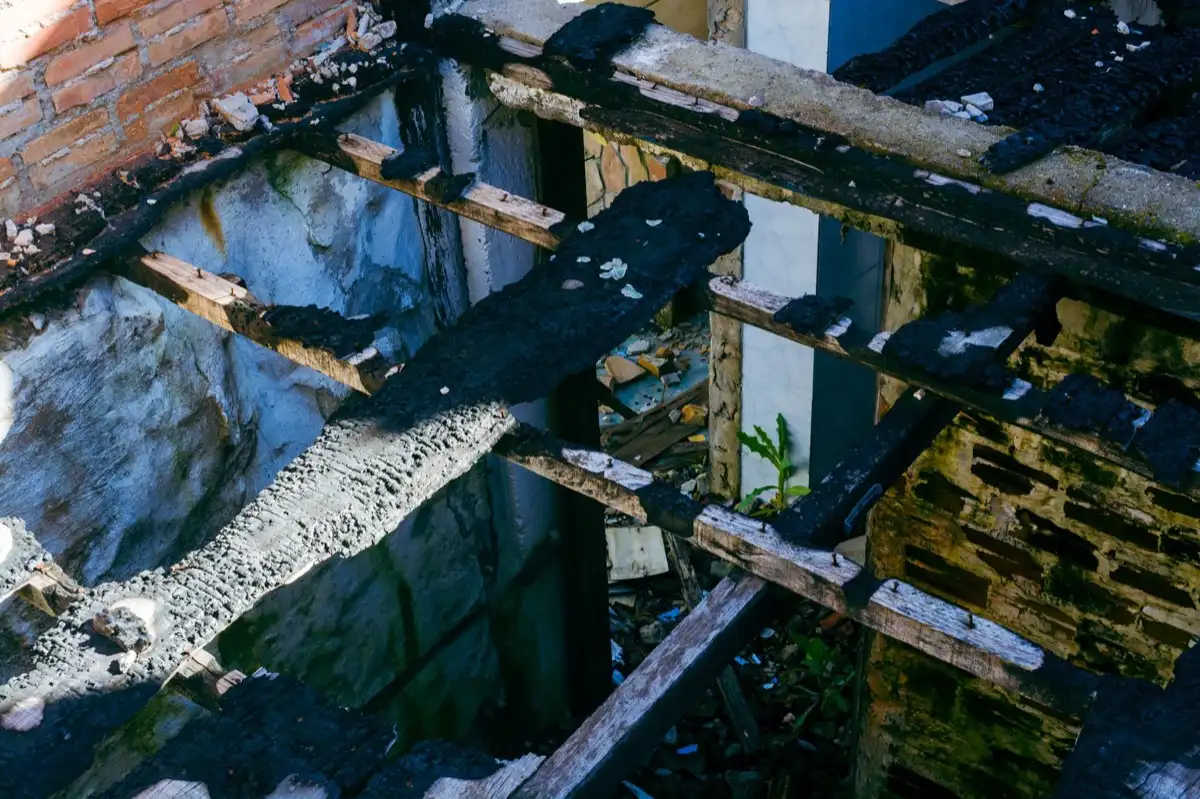
Roof Leak Repair
This city gets 4.16 inches of precipitation in an average year. A roof leak here therefore gets tested by the weather roughly a handful of times, which changes the whole business of finding one and rules out the usual advice to wait for the next storm.
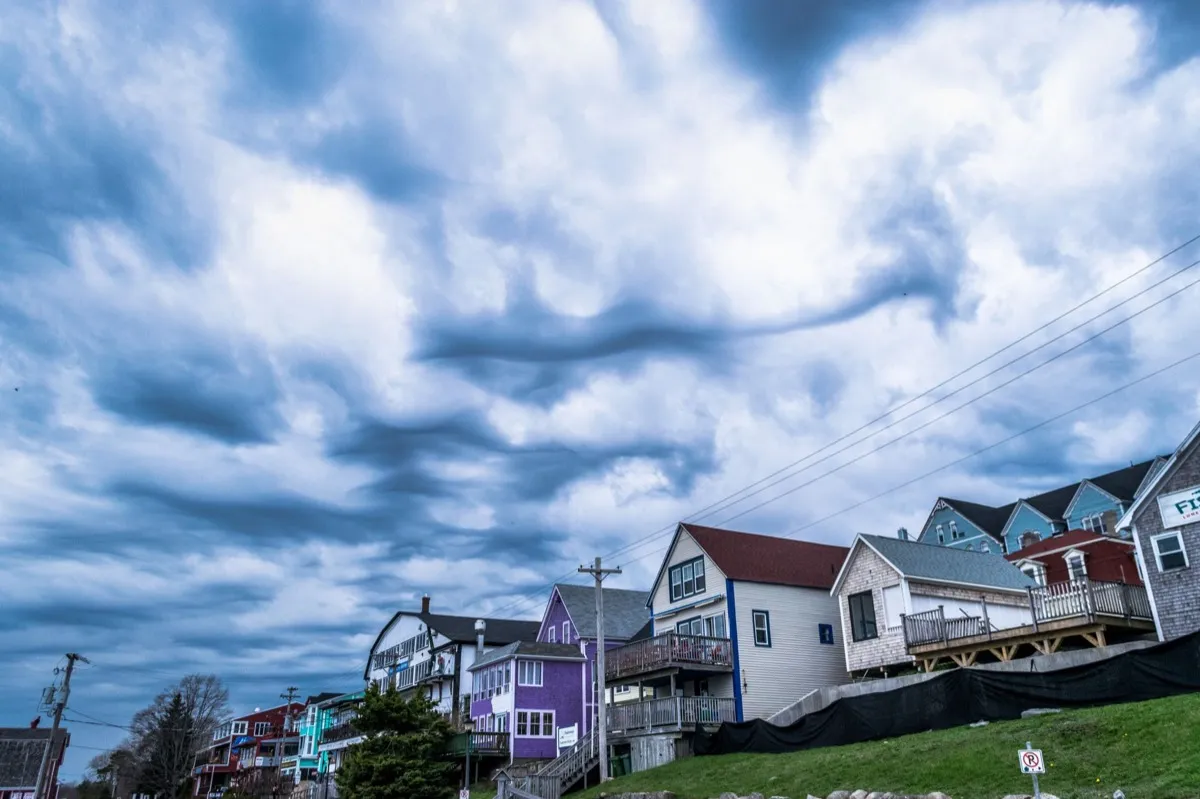
Storm Damage Restoration
Storm damage on this stretch of the river is a wind and grit event far more often than a water one. The monsoon arrives as isolated cells that collapse into outflow, and the corridor between the Mohave Mountains and the ranges across the water gives that outflow a straight run.
Hail Damage Assessment
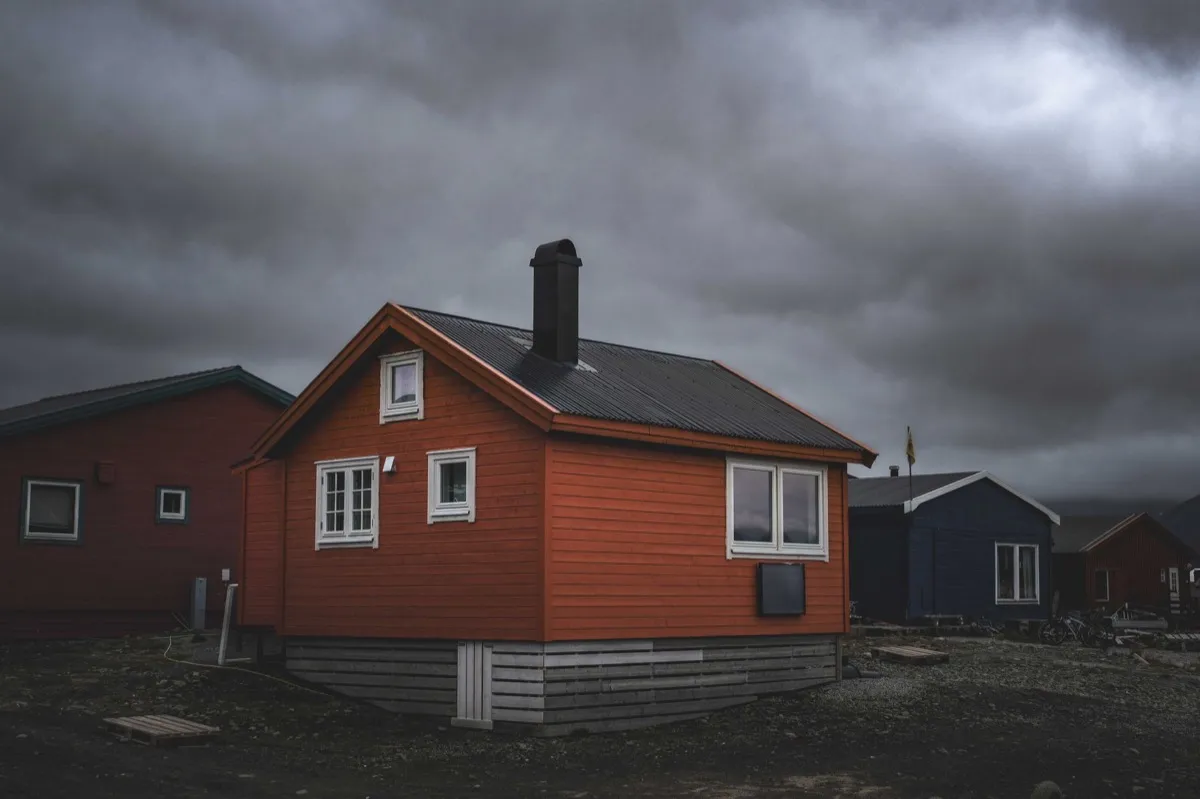
Hail large enough to bruise a roof is uncommon on this part of the river. In a town averaging 4.16 inches of precipitation in a whole year, a great many roofs reach the end of their service life without ever meeting any at all.
Wind Damage Roofing
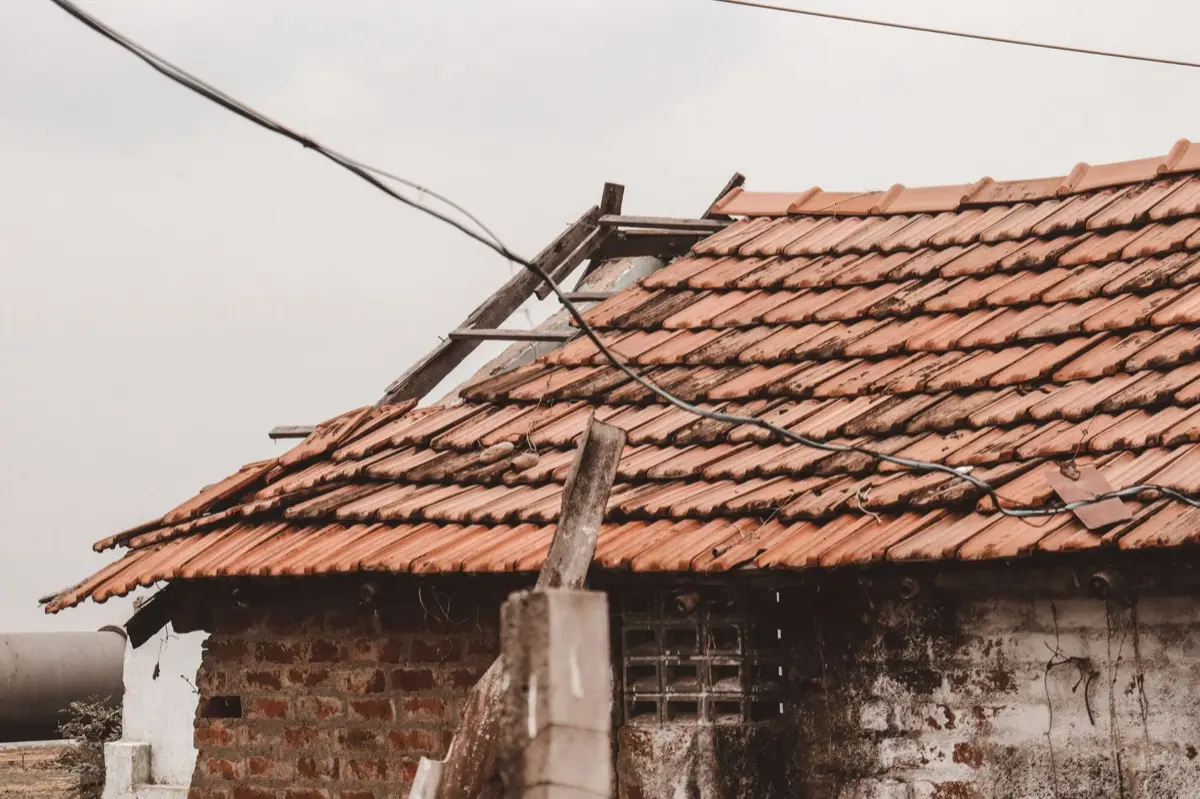
Wind damage in Lake Havasu City almost always starts at the same three feet of roof: the rake edge, the eave course and the ridge. Those are the places where the covering is asked to hold on by adhesive alone, and adhesive here has a strange history.
Roof Inspections
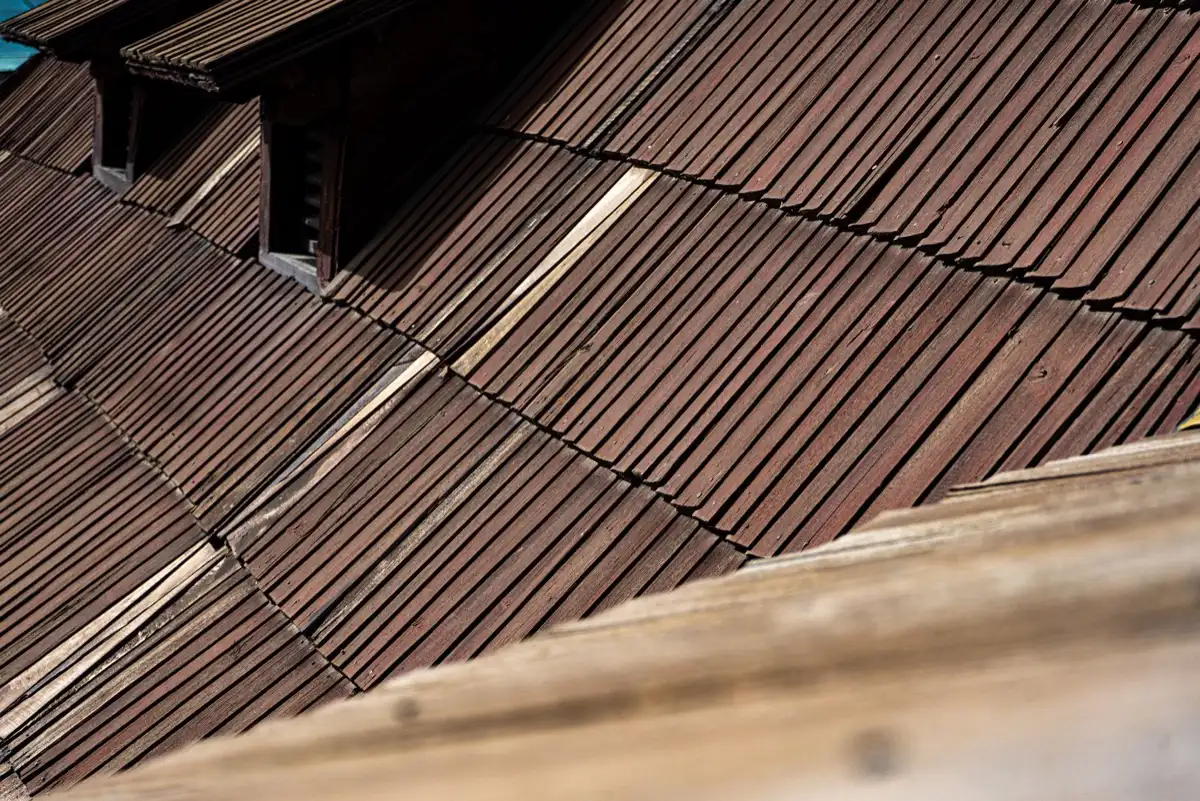
An inspection here is worth more than in most markets, because it is the only quality control this city has. No permit is required to replace a roof covering, so no inspector will ever look at the deck, the dry-in or the flashings on an ordinary reroof.
Asphalt Shingle Roofs
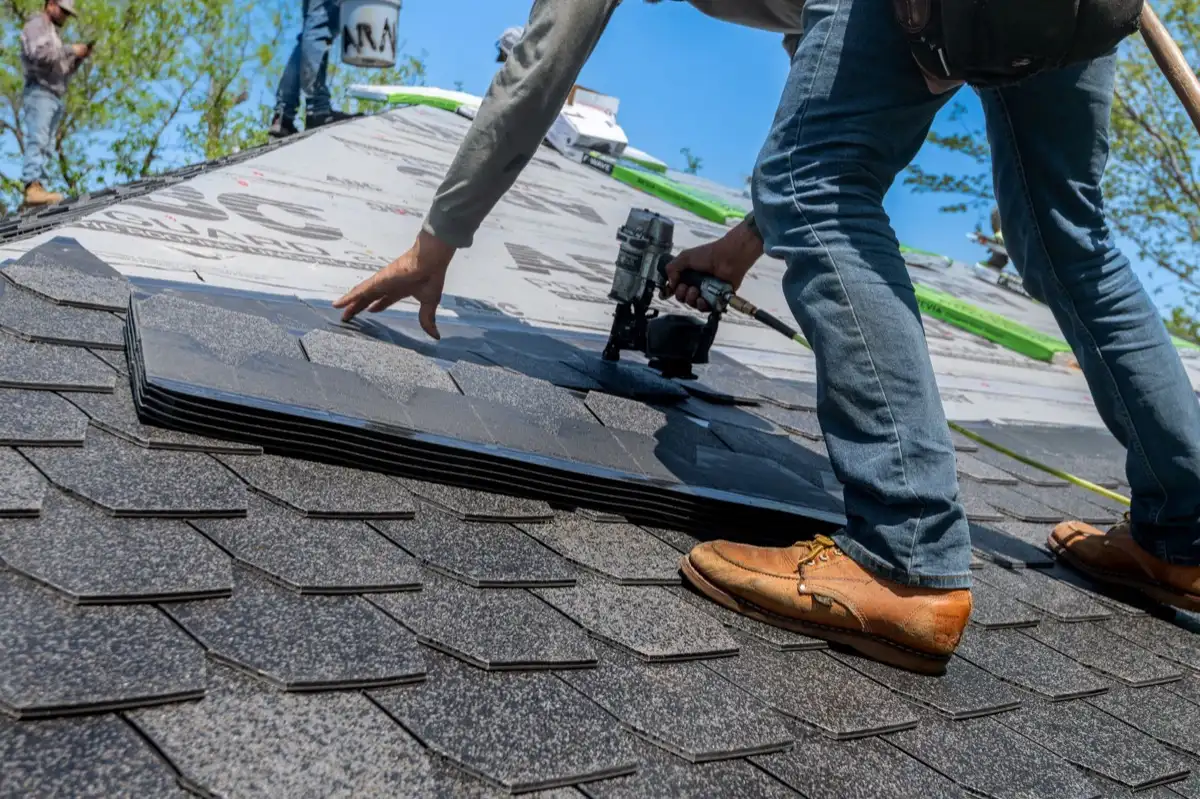
Asphalt shingle covers most of the newer half of this town and it is not a bad product. Its published numbers, though, were written against a national average, and this city is nowhere near a national average in the one variable that matters to asphalt.
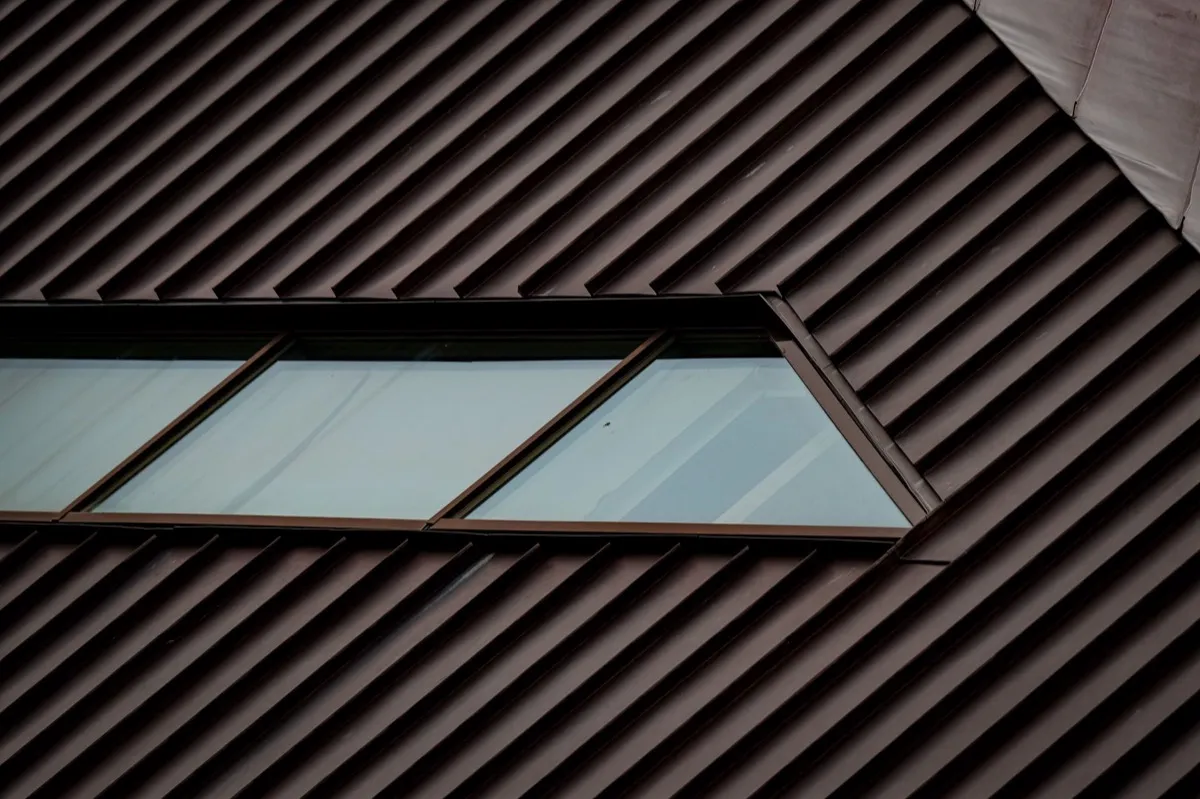
Metal Roofing
The argument for metal here is thermal, and so is the argument against doing it badly. A steel panel on a roof that swings from a January night in the low forties to a June afternoon over 120 does not sit still, and every design decision follows from that.
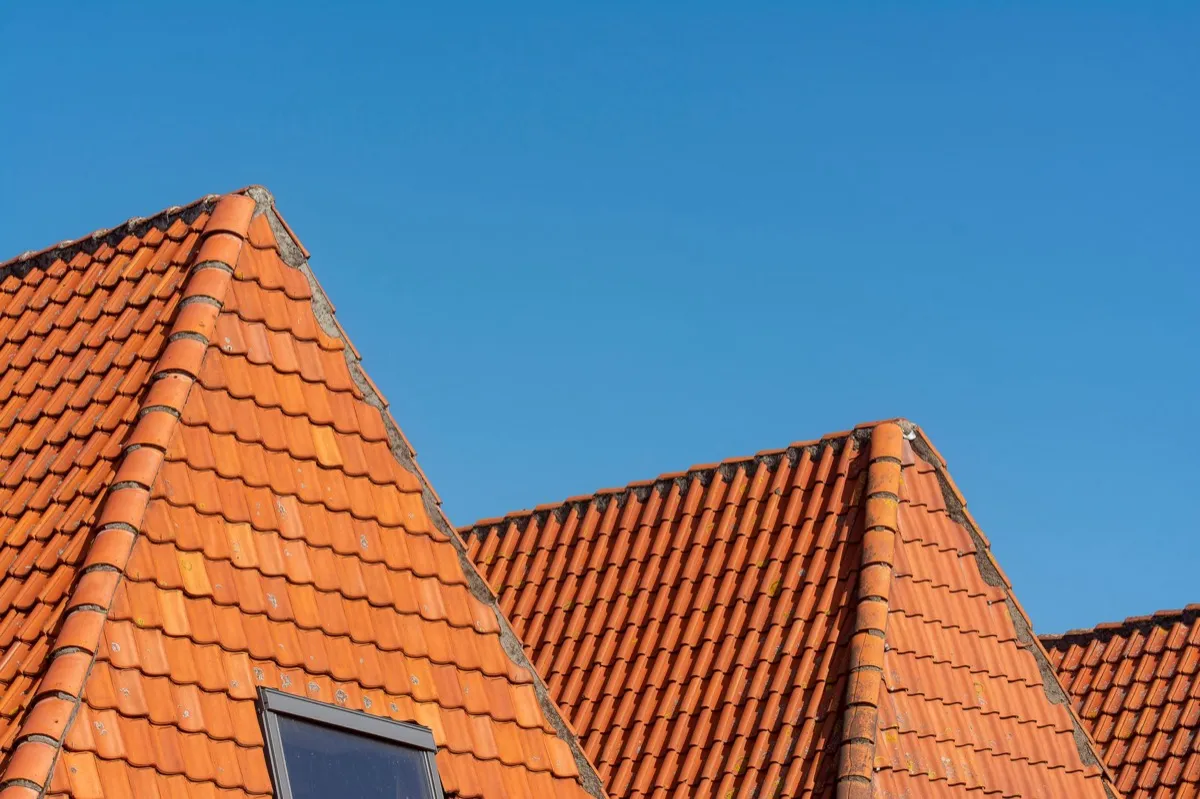
Concrete & Clay Tile Roofing
Tile is the covering we recommend most often on the hillside stock here, for a reason unrelated to looks. A tile field is mechanically fastened, air-gapped and non-adhesive, so almost none of its service life rests on a chemical bond holding at temperatures that punish chemical bonds.
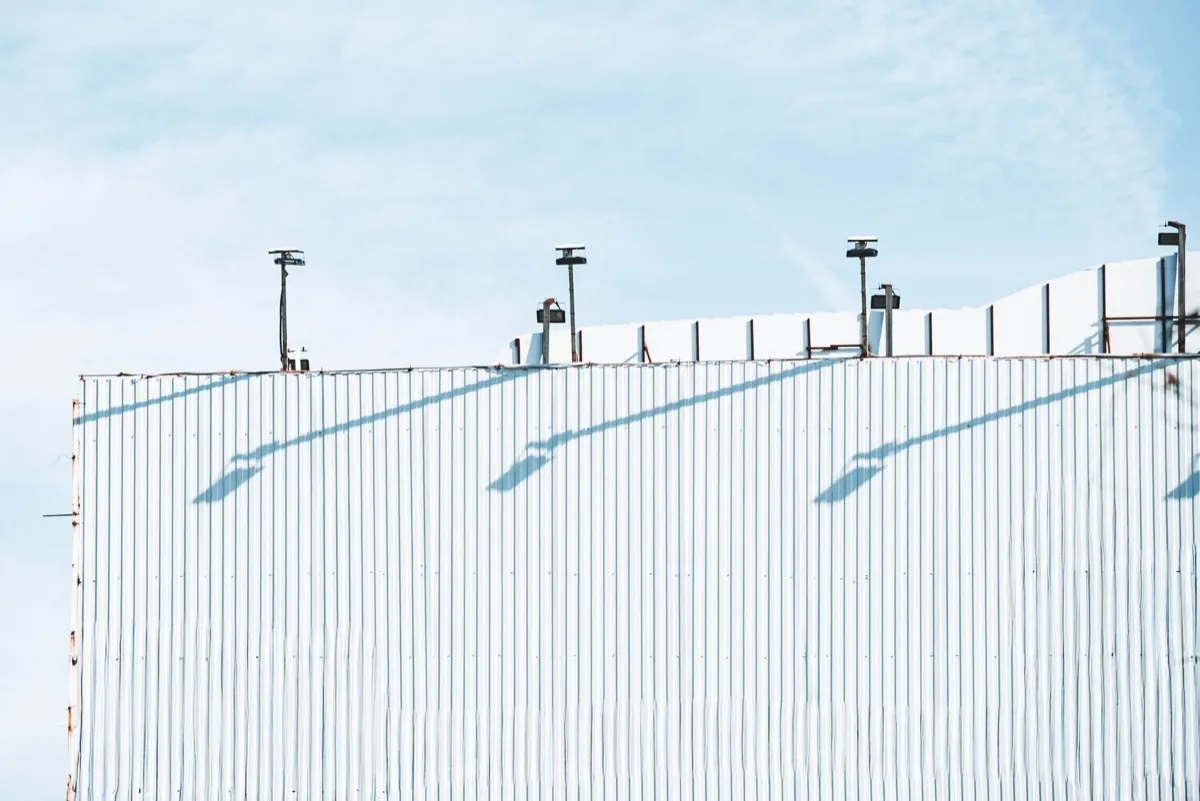
Flat & Low-Slope Roofing
Most advice about flat roofs is written for places where standing water is the problem. With 4.16 inches falling here in a year, ponding is a footnote.
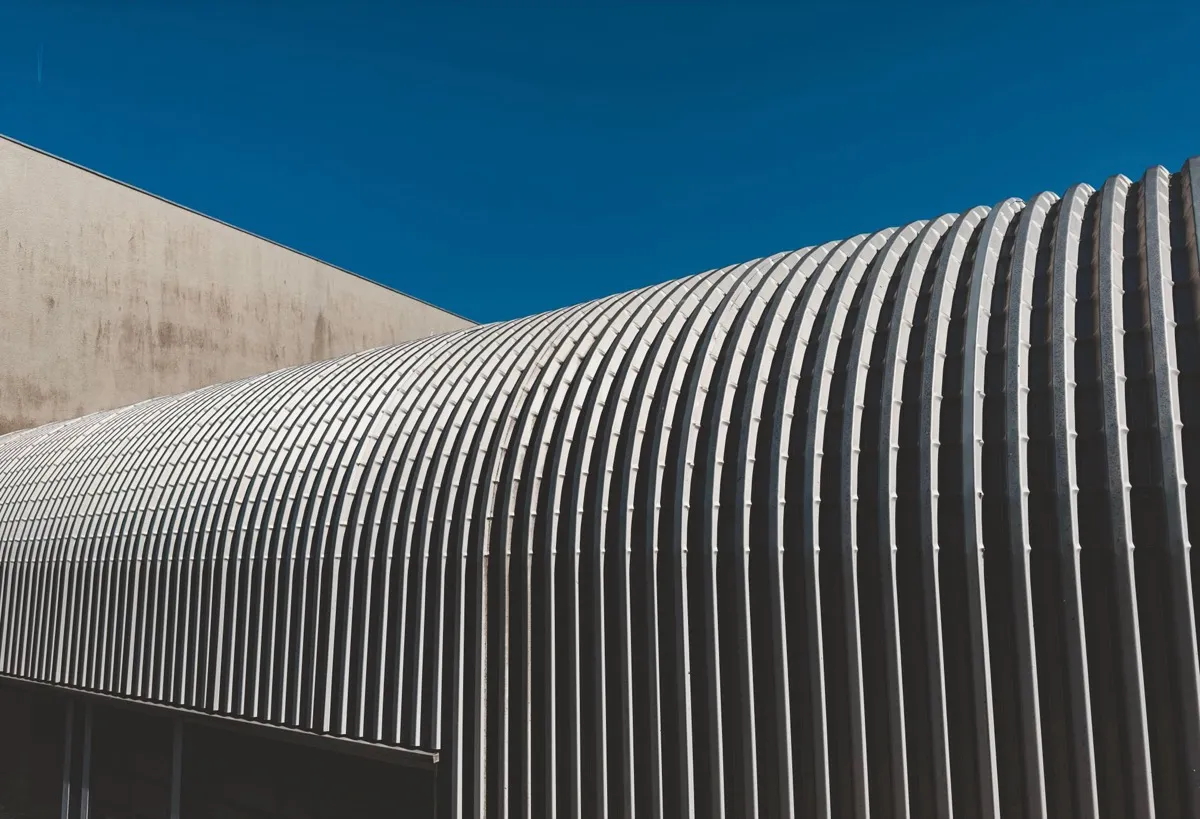
Roof Coatings & Sealing
A coating applied in a Lake Havasu summer is money set on fire, and the reason is physical rather than a question of crew skill or brand. That is worth saying at the top of a page selling coatings, because most of the calls about them arrive in July.
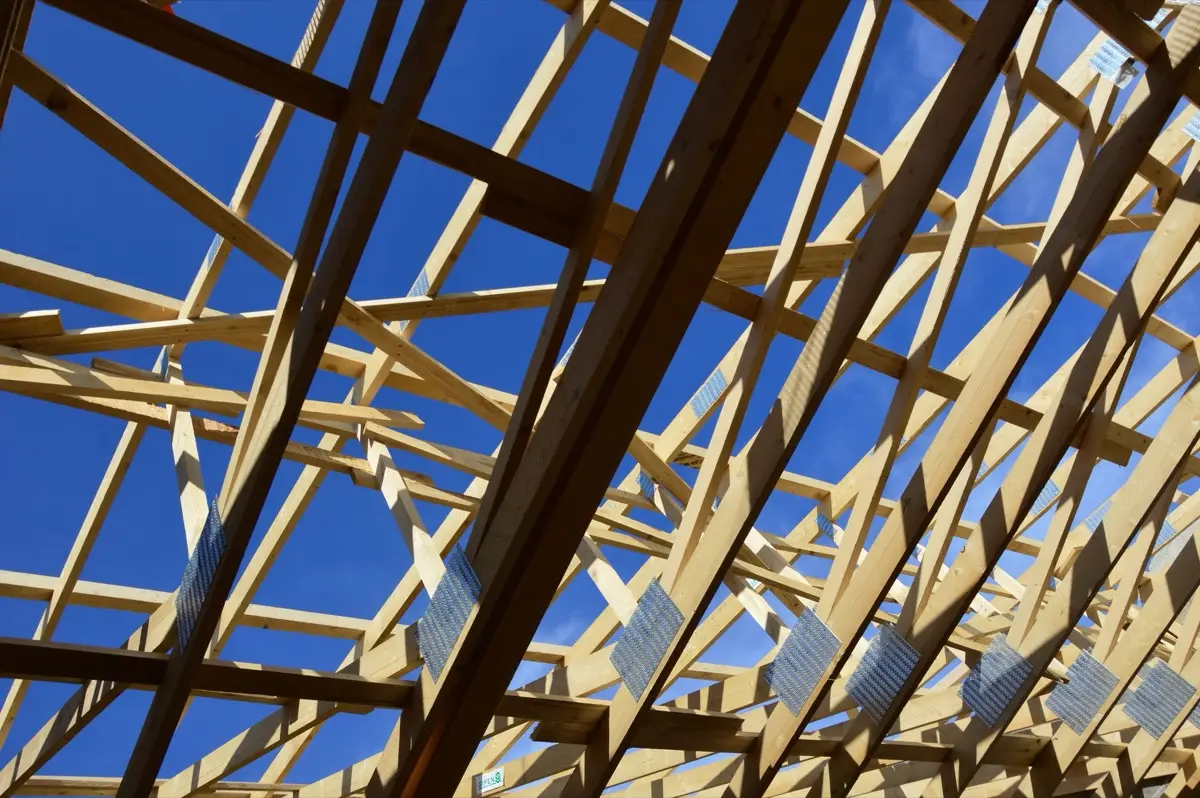
Roof & Attic Ventilation
Ventilation advice gets copied around the country without anyone checking whether the house it is aimed at exists here. Much of the newer stock in this town has vaulted ceilings and either a very shallow attic or none at all, and the standard advice has nowhere to go.
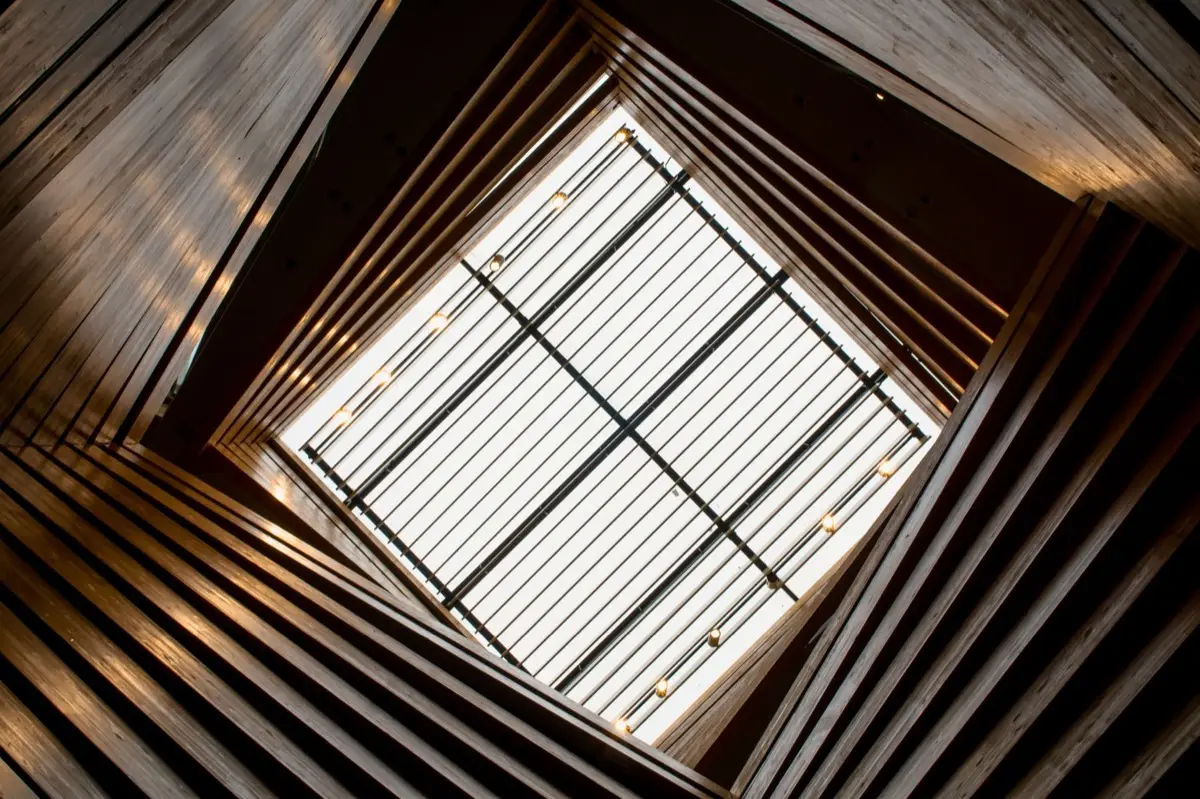
Skylights & Sun Tunnels
A skylight here is a deliberate hole in the best-insulated surface of the house, admitting some of the strongest sun in the country. That does not make it a bad idea.
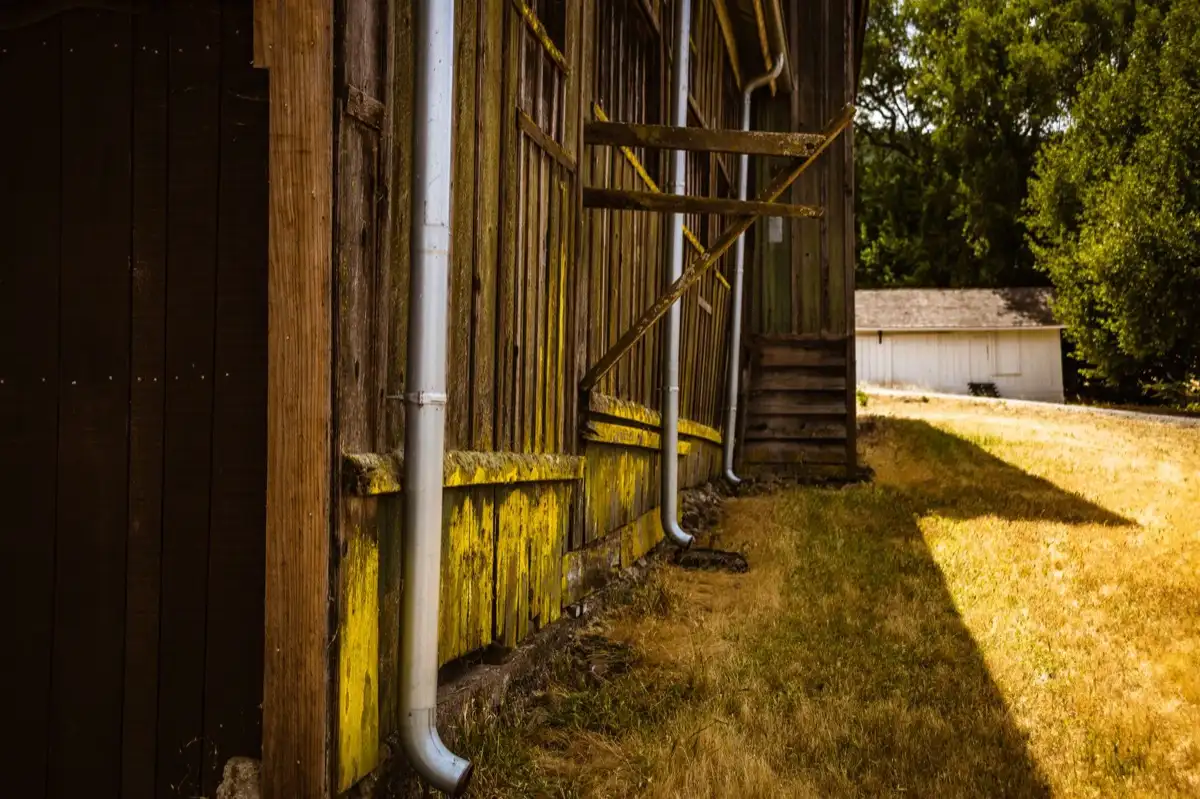
Fascia & Soffit Repair
Fascia and soffit fail by elevation in this town, not by house. The south and west eaves take a different dose of ultraviolet and heat than the north side of the same building, and they reach the end of their life five or ten years apart.

Chimney & Chase Flashing
Very little of this city has a masonry chimney. What it has, on thousands of houses built since the 1970s, is a framed and stuccoed chase around a metal flue, capped with sheet metal somebody bent on a brake thirty years ago and nobody has looked at since.
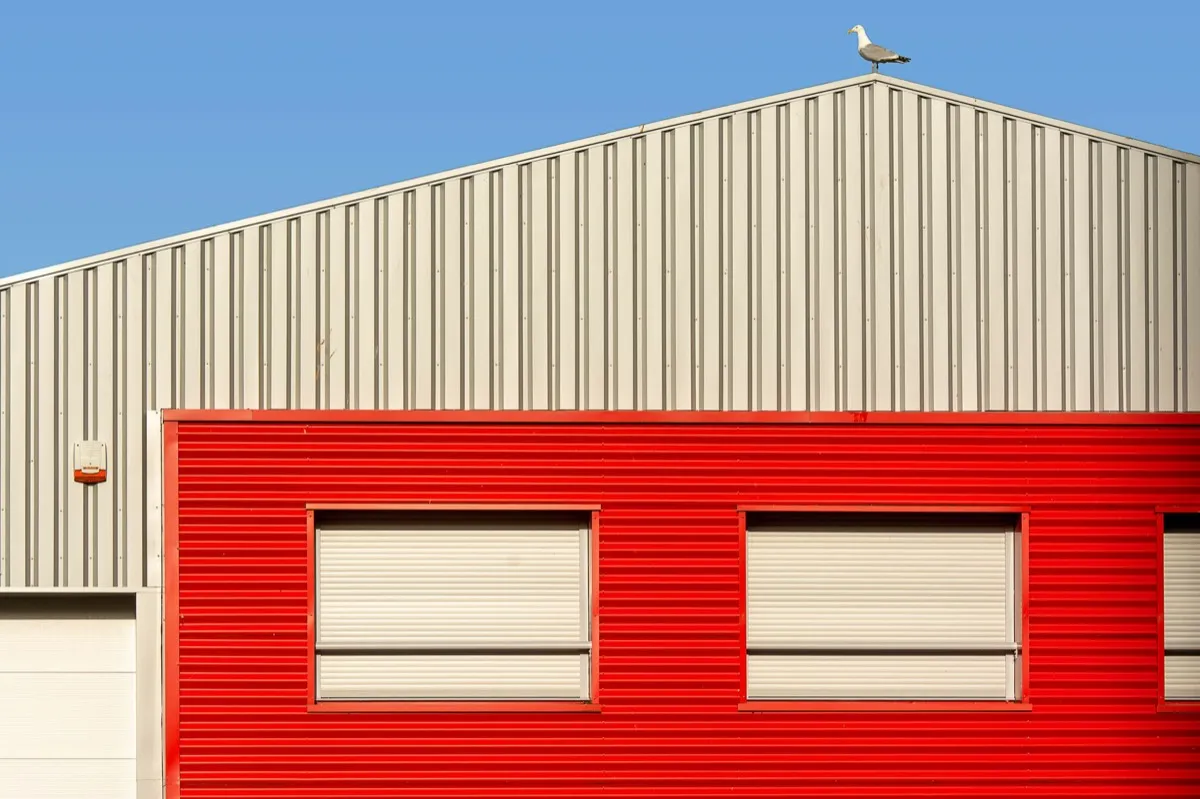
Commercial Roofing
A commercial roof in this town is a mechanical yard that happens to be waterproof. Condensers run from April into October, service techs walk the same three routes all summer, and on most buildings we survey the membrane has taken more damage from boots than from the sky.
Insurance Claim Help
With no real freeze, very little hail and 4.16 inches of precipitation a year, most failed roofs here failed from heat and time. That is worth knowing before you call your carrier, because heat and time are precisely what a policy does not cover.
What Lake Havasu City Customers Say
Told us flat out that a July tear-off was a bad idea and put us on the calendar for the first week of November. Came back when they said, and we got pictures of the deck before the underlayment went down.
Two other outfits quoted a coating on our low-slope section. These guys said not in August, and priced the flashings instead. Half the cost and the ceiling stain has not come back.
Found the leak at a chase cap in about an hour with a hose. Explained why the old sealant let go and used something with an actual movement rating. Wrote it all down for us.
They marked four soft panels on the deck, photographed each one, and told us exactly where the line was on what they could replace. No surprises on the invoice at the end.
Lake Havasu City Roof Pros handles roof replacement, leak repair and reroofing across Lake Havasu City, along with concrete tile, standing seam metal, architectural asphalt shingle and low-slope single-ply membrane, on houses and on commercial buildings. We scope every job in writing before anyone quotes a price, and the scope names the underlayment, the fasteners and the flashing metal we intend to use.
The average July day here tops 109 degrees and does not drop below 83 overnight, and the record for this town is 128. That is not a detail about the weather. It is the constraint on the work, because sealant strips, self-adhered underlayments, single-ply welds and every coating on the market have an upper temperature at which they stop behaving the way the label promises.
The second thing that shapes this trade locally is paperwork, and it changes at every county line here. Lake Havasu City does not require a building permit to replace a roof covering, though it does require one to replace roof sheathing. Unincorporated Mohave County exempts a reroof too, since September 2025.
Unincorporated La Paz County does not, and neither does Bullhead City. So on some of these jobs no inspector ever sees the deck, the dry-in or the flashings, and on others one does. We tell you which before we quote.
About Lake Havasu City Roof Pros in Lake Havasu City, AZ
Lake Havasu City Roof Pros works the river corridor from the Parker Strip up through Fort Mohave, on concrete tile, architectural shingle, standing seam and low-slope membrane. The business exists because this is a difficult place to buy roofing well: the season that is convenient for the homeowner is the season that is worst for the materials, and there is no inspector standing between the two.
So the way we work is built around evidence rather than assurances. Photographs of the deck before it disappears. Product data sheets with the temperature limits highlighted. A written note of which sheathing panels we replaced and how much of the substrate that came to, because the roofing classification we hold has a published ceiling on that and honest work has to sit under it.
We say no to a certain amount of work. Asked to roll a coating onto a low-slope roof in July, or to start a full tear-off in the last week of June, we will not take the money, because the result is worse than what you already own and you will be calling somebody in two summers. Wait for the cool half of the year, or hire the company that says yes.
Recent Projects Across the Havasu corridor
Full gallery →
Service Areas
Lake Havasu City Roof Pros serves Lake Havasu City, AZ and surrounding communities including:
Commercial roofs on the McCulloch corridor and the industrial park
A commercial roof in this town is a mechanical yard before it is a roof. Condensers run from April into October, service techs walk the same three paths all summer, and the membrane gets more foot traffic than weather. We survey the equipment first, map the routes people actually take, and price walkway protection and curb work as part of the roof rather than as an afterthought once the membrane is already scarred.
- ✓Rooftop unit curbs measured, photographed and re-flashed to height
- ✓Walkway pads laid on the paths technicians already use
- ✓Hot-air welded thermoplastic membrane with every weld probe-tested
- ✓White or highly reflective surfacing specified against a listed rating
- ✓Scupper, drain and overflow condition documented before any bid
- ✓Mechanical work sequenced ahead of the membrane, never after
- ✓Skylight and smoke hatch curbs rebuilt where the deck has softened
- ✓Maintenance visits scheduled for the cool half of the calendar
- ✓Commercial scopes taken to Development Services rather than assumed exempt
Frequently Asked Questions
Does Lake Havasu City require a permit for a reroof?
Not for the covering. The city's own list of home repairs puts replacing a roof covering in the no-permit column, and replacing roof sheathing in the other. That split matters more than it sounds, because it means the deck under your new roof is the one part nobody outside the crew will ever look at unless you ask for pictures.
But this answer is only Lake Havasu City's. A reroof does need a permit in unincorporated La Paz County and inside Bullhead City, and unincorporated Mohave County exempts the covering but only exempts decking up to 128 square feet or ten percent. Seven of the towns we serve answer this question differently from the city itself.
What is the best month to tear off a roof here?
October through April, and if you can pick, February or March. The problem with a June tear-off is not the crew, it is chemistry. Shingle sealant strips go soft and mar under boots, self-adhered underlayment can creep on a hot deck before it is loaded, and a coating flashes off faster than it can wet the substrate. Cool weather buys you a better roof for the same money.
How long does an asphalt shingle roof really last in this heat?
Shorter than the number on the wrapper, and the wrapper is not lying. Warranty periods are written against a national average, and this town runs an average July high of 109.3 degrees with overnight lows above 82. The asphalt gives up its volatiles faster, the mat gets brittle sooner, and the granules that shield it start migrating early. Plan on the low end of any published range.
My roof looks beaten up. Is that a hail claim?
Almost certainly not. This city averages 4.16 inches of precipitation in a whole year and hail large enough to bruise a roof is rare enough that most local roofs never see it. What people bring us as hail is usually heat-driven granule loss, popped blisters, or wind-driven sand abrading the sun side. None of that is a covered peril, and we will tell you before you file.
Should I put an elastomeric coating on my flat roof?
Only if we can start before sunrise and only outside the hot months. A coating needs the substrate under a stated temperature and it needs time to cure rather than skin. Rolled onto a deck sitting at 150 degrees in July, an acrylic sets on top before it has bonded underneath, and a year later it comes off in sheets. Wait for November or spend the money on flashings.
Do houses in Lake Havasu City actually need gutters?
Most do not, and we say so on the quote. With 4.16 inches falling in a year, gutter runs across a whole house rarely earn their keep and they give blown grit somewhere to sit. Where they are worth it is narrow: over an entry, over a walkway you use daily, and where the roof dumps onto a slope that is already cutting a channel toward the house.